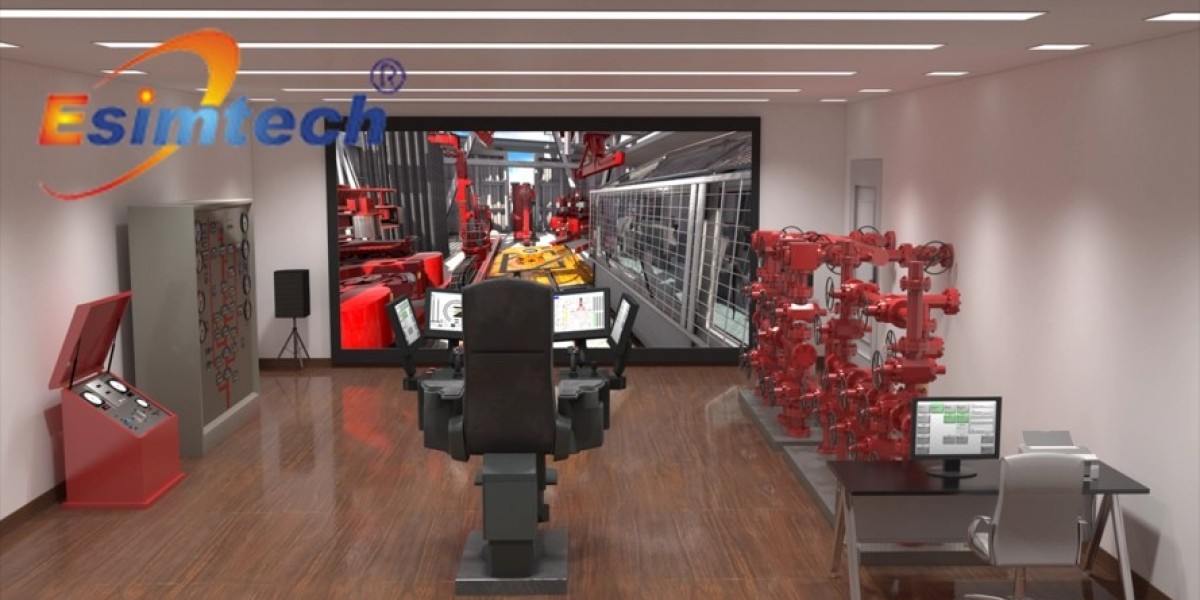

A component that has an extremely important part to play is the workover operations that are performed in the oil and gas industry. These procedures involve repairing, maintaining, and improving wells that already exist in order to increase the length of time over which they are productive, as well as to extend the period of time during which they are productive. Workover operations can involve a wide variety of activities, ranging from relatively minor fixes to significant rework endeavors. The scope of these activities is determined by the nature of the work that needs to be done and can include anything from relatively minor fixes to significant rework endeavors. The purpose of this article is to serve as a guide to workover operations by providing information on the various types of workover operations, the various types of equipment and tools used in workover operations, and the steps that are involved in carrying out workover operations.

Understanding Workover Operations
Workover operations involve repairing, maintaining, and improving wells that have already been drilled in order to increase the wells' overall productivity and lengthen the productive lives of the wells. This is done in order to maximize the amount of oil and gas that can be extracted from the well. It is possible to carry out these procedures for a variety of different reasons, including the restoration of production, the repair of damaged equipment, or the improvement of well performance, amongst other possible motivations. According to the particular specifications of the well, there is a wide range of workover operations that can be carried out. These operations can be as simple as making repairs or as complex as performing extensive rework.Well Logging Simulatorsis possible to carry out these workover procedures.
It is impossible for workover operations to reach their full potential unless they make use of specialized equipment and tools. Workover operations require the use of specialized equipment and tools that have been created to handle the one-of-a-kind challenges that come with repairing and maintaining wells. These tools and equipment can only be accessed through the use of specialized equipment and tools that are required for workover operations. Workover operations necessitate the use of specialized equipment and tools in order to gain access to these tools and equipment. The only way to get to them is to use those tools and equipment.
Workover operations make use of a wide variety of apparatus and tools, including workover rigs, coiled tubing units, snubbing units, and wireline units, amongst others. The following are some examples of the various kinds of equipment and tools that fall under this category.
Workover Procedures are the steps that need to be taken in order for the work to be completed successfully.
- Workover operations require a number of steps to be carried out successfully, including initial planning and preparation, wellbore cleanout, fishing and milling, tubing and casing repair, hydraulic fracturing and acidizing, completion, and testing
- All of these steps must be carried out in order for the workover operations to be successful
- These procedures have two main goals: first, to determine the specific requirements of the well, and second, to fulfill those requirements in a way that is both productive and risk-free
- The first goal of these procedures is to determine the specific requirements of the well
Workover Procedures with Respect to the Factors That Affect Occupational Health and Safety
1. Safety is an extremely important consideration that needs to be taken into account whenever workover operations are being carried out
2. This is because there are potential dangers associated with well repair and maintenance, and these dangers need to be taken into account
3. When it comes to protecting workers as well as the environment, one of the most important things to do is to make sure that hazards are properly identified and evaluated, that personnel are properly trained and certified, that equipment is regularly maintained and inspected, and that emergency response plans are in place
4. Doing all of these things will help ensure that workers and the environment are protected
5. If all of these things are done, there is a better chance of protecting workers as well as the environment
Workover Procedures That Are in Sync with the Regulations and Standards Set by the Sector
The oil and gas industry's workover operations are subject to the same stringent oversight as the rest of the industry's activities. This is to ensure that all operations are carried out safely. The guidelines of the American Petroleum Institute (API), the standards of the Occupational Safety and Health Administration (OSHA), and the standards of the International Organization for Standardization (ISO) all provide guidance on how workover operations should be carried out in order to ensure the health and safety of workers as well as the integrity of the environment in which they work. Occupational Safety and Health Administration (OSHA) standards, API guidelines, and ISO standards all provide this guidance.
A component that has an extremely important part to play is the workover operations that are performed in the oil and gas industry. These procedures involve repairing, maintaining, and improving wells that already exist in order to increase the length of time over which they are productive, as well as to extend the period of time during which they are productive. Workover operations require the use of specialized hardware and tools, and the procedures that are involved in carrying them out can range from simple repairs to in-depth rework endeavors. Workover operations can be carried out in a number of different ways. Operations known as "workovers" are frequently required to be carried out in oil and gas fields. When carrying out workover operations, it is necessary to comply with all of the regulations and standards that are imposed by the industry. Additionally, Well Logging Simulators is essential to take into consideration concerns regarding safety, which are of the utmost importance. If operators adhere to best practices and guidelines, workover operations can be carried out in a manner that is both safe and effective. This is made possible in the workover operations. Because of this, operators are able to increase the productivity of existing wells while simultaneously extending the lifespan of those wells.