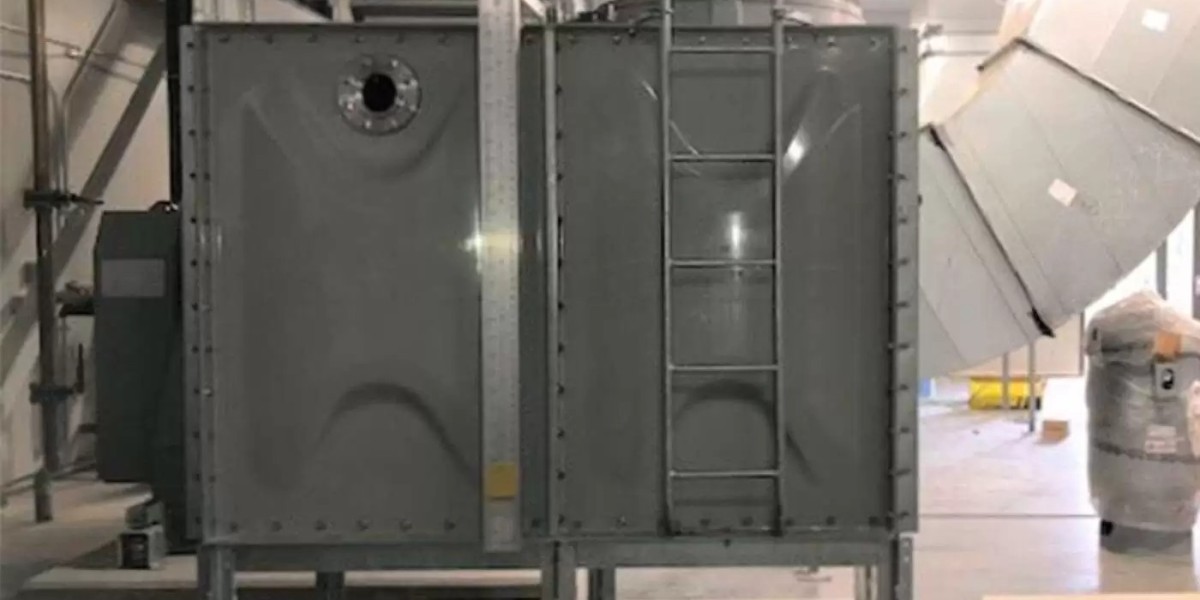

Water tanks play a critical role in storing water for a wide range of purposes, from agricultural irrigation to residential water storage. Choosing durable water tanks is crucial to ensure that it can withstand various environmental conditions and provide reliable service for years to come. In this comprehensive guide, we will discuss the five key features to consider when selecting a durable water tank. By understanding these characteristics, you can make an informed decision that ensures you invest in a high-quality product that meets your needs.
1. High-Quality Material Construction
When it comes to durability, the material of the water tank is one of the most important factors to consider. The quality of the material directly affects the tank’s resistance to external elements like UV rays, extreme weather conditions, and physical wear. Here are the top materials commonly used in water tank construction:
Polyethylene (Plastic): Polyethylene water tanks are the most commonly used due to their lightweight, cost-effectiveness, and resistance to rust and corrosion. Look for tanks made from food-grade polyethylene, which ensures that water stored in the tank remains safe for consumption. Additionally, some polyethylene tanks are UV-stabilized to prevent degradation caused by the sun's rays.
Fiberglass: Fiberglass tanks are known for their durability and ability to withstand extreme weather conditions. They are highly resistant to corrosion, rust, and chemical reactions, making them ideal for use in industrial and agricultural settings. Fiberglass tanks also have an excellent lifespan, typically lasting much longer than their plastic counterparts.
Steel (Galvanized or Stainless): Steel water tanks, particularly those made from galvanized or stainless steel, are highly durable and can withstand extreme conditions. Galvanized steel tanks are coated with a layer of zinc to protect against rust, while stainless steel offers superior resistance to corrosion, making it a preferred choice for areas with harsh environments or saltwater exposure.
Each material has its advantages, but the key is to choose one that best matches your environmental needs and budget.
2. UV Protection and Weather Resistance
Water tanks, especially those that are installed outdoors, are exposed to direct sunlight and varying weather conditions. Over time, exposure to UV rays and harsh weather can degrade the tank material, leading to cracks, leaks, and reduced lifespan. Therefore, choosing a water tank that is specifically designed to handle UV radiation and weather resistance is crucial.
UV Stabilization: Polyethylene tanks are often UV-stabilized to resist damage from prolonged sun exposure. This stabilization prevents the tank from becoming brittle and breaking down, ensuring that it retains its structural integrity over time.
Weatherproofing: Look for tanks that are built to withstand temperature fluctuations, wind, rain, and even snow. Fiberglass tanks are particularly good at maintaining their form in extreme climates, while steel tanks coated with protective finishes like epoxy or polyurethane are more resistant to rust and corrosion caused by moisture.
Choosing a tank that offers UV protection and weather resistance ensures that your water storage solution will last much longer and perform reliably, regardless of environmental conditions.
3. Adequate Capacity and Storage Flexibility
When selecting a durable water tank, you must consider the storage capacity that aligns with your needs. Tanks come in a wide range of sizes, and choosing the right capacity is essential to avoid over or under-storage. Here are some factors to consider:
Size Considerations: The size of the tank should match your water usage requirements. For instance, a large household may require a tank with a capacity of 2,000 to 5,000 liters, whereas a small farm may need a tank that can hold tens of thousands of liters.
Modular Storage: Many modern water tanks are designed to be modular, allowing users to connect multiple tanks to increase storage capacity. This flexibility can be particularly useful if your water needs grow over time, or if you're looking for a tank solution that can expand with minimal hassle.
Shape and Placement: Water tanks come in various shapes, such as vertical, horizontal, or underground tanks. Each type has its advantages depending on available space and installation preferences. For example, vertical tanks are ideal for properties with limited ground space, while underground tanks offer the benefit of being hidden, providing aesthetic appeal and added protection from external conditions.
Tip: Always choose a tank with slightly more capacity than you think you need. This ensures that you don’t run out of water during peak usage times and gives you a buffer in case of unexpected water shortages.
4. Corrosion Resistance and Longevity
Corrosion is one of the primary threats to water tank durability, especially in tanks made of metal. Over time, exposure to water and air can lead to rusting and eventual structural failure. To ensure the longevity of your water tank, it’s essential to select one that is highly resistant to corrosion. Here’s how different materials handle corrosion:
Polyethylene Tanks: These tanks are resistant to most forms of corrosion, including rust and chemical degradation. However, over time, they can experience wear and tear from UV exposure, which is why UV-stabilized polyethylene tanks are recommended for long-term use.
Fiberglass Tanks: Fiberglass is naturally resistant to corrosion and does not rust or corrode. Its resistance to water, chemicals, and extreme temperatures makes it an excellent choice for industrial and agricultural settings.
Steel Tanks: Galvanized steel tanks are coated with zinc to prevent rust, but eventually, the coating may wear off, especially in harsh conditions. Stainless steel, on the other hand, offers superior corrosion resistance, making it ideal for long-term durability in salty or acidic environments.
Choosing a tank with high corrosion resistance will ensure that it maintains its functionality and structural integrity for many years, minimizing the need for costly repairs or replacements.
5. Ease of Maintenance and Cleanliness
A durable water tank should be easy to maintain to ensure that it remains in optimal working condition over time. Regular maintenance is essential to prevent mold growth, sediment buildup, and bacterial contamination, especially for tanks used for drinking water. Here are some features that make maintenance easier:
Smooth Interior Surface: Tanks with a smooth interior surface are easier to clean and maintain. Smooth surfaces prevent the buildup of dirt, algae, and bacteria, ensuring the water stored remains clean and safe for use.
Access Ports and Inspection Lids: Tanks equipped with easy-to-remove access ports or inspection lids allow for easier inspection and cleaning. These features make it simple to access the tank’s interior for periodic maintenance, reducing the risk of contamination and ensuring water quality.
Overflow and Drainage Systems: Tanks with built-in overflow and drainage systems help prevent water stagnation and facilitate the removal of accumulated debris. This ensures that the tank stays clean and free from contaminants that can affect the water quality.
By selecting a tank that is easy to maintain, you can prolong its lifespan and ensure that your stored water remains clean and safe for use.
Conclusion
Choosing the right water tank involves understanding the key features that contribute to its durability and overall performance. From selecting the right materials to considering UV protection, weather resistance, capacity, corrosion resistance, and ease of maintenance, every factor plays a crucial role in ensuring that your tank performs reliably for years to come. Whether you're using a water tank for residential, agricultural, or industrial purposes, selecting a high-quality, durable tank will save you time and money in the long run.