
Introduction
The Anhydrous Ammonia Production Process with Cost Analysis is central to the global agricultural and chemical industries. Anhydrous ammonia, a highly efficient nitrogen fertilizer, is widely used in agricultural production, while also playing a critical role in various industrial processes. This report provides a detailed look at the procurement resource assessment, the production process, market drivers, raw material requirements, and cost considerations. By exploring these key aspects, businesses involved in anhydrous ammonia production can gain valuable insights to optimize their operations and minimize costs.
Request Free Sample – https://www.procurementresource.com/production-cost-report-store/anhydrous-ammonia/request-sample
Procurement Resource Assessment for the Anhydrous Ammonia Production Process
The procurement resource assessment is an essential component of the anhydrous ammonia production process, as it ensures that the necessary inputs are available at the right cost and quality to maintain efficient production. The primary resources needed for producing anhydrous ammonia include natural gas, water, energy, and labor.
- Natural Gas: Natural gas is the primary raw material used in the production of anhydrous ammonia, providing both the hydrogen needed for the chemical reaction and the energy required for the process. Securing a stable and cost-effective supply of natural gas is critical for maintaining competitive production costs. Regions with abundant natural gas reserves tend to have a cost advantage in ammonia production.
- Water: Water is required for various stages of the ammonia production process, including cooling and steam generation. Access to a reliable and affordable water source is essential for maintaining production efficiency, particularly in regions prone to water scarcity.
- Energy: Energy costs are a major factor in ammonia production, as the process is highly energy-intensive. Ensuring access to cost-effective energy sources, such as electricity or natural gas, is crucial for reducing operational costs.
- Labor: Skilled labor is necessary for managing the production process, maintaining equipment, and ensuring safety compliance. Automation can reduce labor requirements, but experienced personnel are still required to oversee the operation.
A well-planned procurement strategy is key to ensuring that these resources are available in sufficient quantities and at competitive prices, allowing for efficient and cost-effective anhydrous ammonia production.
Anhydrous Ammonia: An Overview
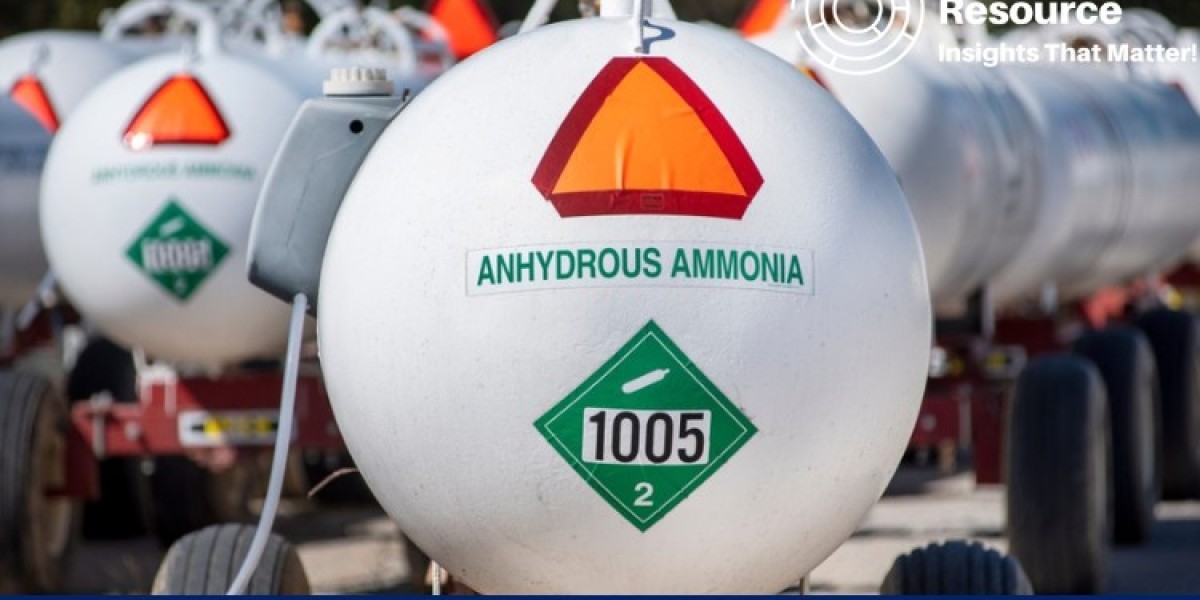
Anhydrous ammonia (NH3) is a colorless gas that is liquefied under pressure for storage and transport. It is one of the most widely used nitrogen fertilizers in the agricultural sector, providing an essential nutrient for plant growth. In addition to its role in agriculture, anhydrous ammonia is used in a variety of industrial processes, including the production of chemicals, explosives, and refrigerants.
Due to its high nitrogen content (approximately 82%), anhydrous ammonia is an efficient and cost-effective source of nitrogen fertilizer. It is typically injected into the soil, where it reacts with moisture to convert into ammonium, which is readily absorbed by plants. However, the handling and application of anhydrous ammonia require specialized equipment and safety precautions due to its corrosive and hazardous nature.
In industrial applications, anhydrous ammonia is used as a feedstock for the production of urea, nitric acid, and other nitrogen-based compounds. Its versatility makes it a critical input in many sectors, including agriculture, chemical manufacturing, and refrigeration.
Market Drivers for Anhydrous Ammonia Production
Several key factors are driving the demand for anhydrous ammonia:
- Growing Global Population: As the global population continues to rise, so does the demand for food. Anhydrous ammonia plays a crucial role in enhancing crop yields, making it an essential component of modern agriculture. The increasing need for food security is driving demand for nitrogen-based fertilizers like anhydrous ammonia.
- Agricultural Expansion: The expansion of agricultural activities, particularly in developing countries, is contributing to the growing demand for ammonia-based fertilizers. Governments and organizations are promoting the use of efficient fertilizers to improve crop productivity and meet the rising food demand.
- Industrial Applications: Beyond agriculture, the chemical industry is a significant consumer of anhydrous ammonia. It is used in the production of various chemicals, including urea, ammonium nitrate, and other nitrogen compounds, all of which are in demand across multiple industries.
- Sustainability Initiatives: As industries look for ways to reduce carbon emissions and improve environmental sustainability, the ammonia market is seeing increased interest in green ammonia production methods. These methods use renewable energy sources like hydrogen from water electrolysis to produce ammonia, offering a more sustainable alternative to traditional production methods.
These market drivers are fueling the growth of the anhydrous ammonia industry, with increasing demand expected to continue over the coming years.
Raw Material Requirements for Anhydrous Ammonia Production
The production of anhydrous ammonia requires two primary raw materials:
- Natural Gas: Natural gas is the primary feedstock for ammonia production, supplying the hydrogen needed for the synthesis of ammonia. It is used in the Haber-Bosch process, where nitrogen from the air is combined with hydrogen from natural gas under high pressure and temperature to produce ammonia.
- Air: Nitrogen, which makes up about 78% of the Earth's atmosphere, is another critical raw material. The nitrogen required for ammonia production is extracted from the air through an air separation process, which produces pure nitrogen for use in the chemical reaction.
In addition to these raw materials, the production process requires catalysts, which are used to speed up the chemical reactions without being consumed in the process. Iron catalysts are typically used in the Haber-Bosch process.
The availability and cost of natural gas are the most significant factors influencing the overall cost of ammonia production. Regions with abundant natural gas reserves, such as the United States and the Middle East, tend to have lower production costs compared to regions where natural gas is more expensive.
Costs and Key Process Information in Anhydrous Ammonia Production
The cost of producing anhydrous ammonia is primarily driven by the price of natural gas, which accounts for a significant portion of the production cost. Below is a breakdown of the key cost factors and process information:
- Raw Material Costs: Natural gas is the most critical cost component, typically accounting for 70-90% of the total production cost. Fluctuations in natural gas prices can significantly impact ammonia production costs.
- Energy Costs: Ammonia production is energy-intensive, requiring high temperatures and pressures to drive the Haber-Bosch process. Energy costs for heating, cooling, and pressurization can vary depending on regional energy prices and the efficiency of the production plant.
- Capital Investment: Establishing an ammonia production facility requires substantial capital investment in equipment, technology, and infrastructure. The size and scale of the facility will affect the capital costs, with larger plants benefiting from economies of scale.
- Labor and Maintenance Costs: Labor costs for operating the facility and maintaining equipment are another important consideration. Regular maintenance is essential for ensuring the safety and efficiency of the production process, particularly given the hazardous nature of anhydrous ammonia.
Key process information includes the efficiency of the Haber-Bosch process, which has been optimized over the years to maximize ammonia yield while minimizing energy consumption. However, the process remains energy-intensive, and ongoing research is focused on developing more energy-efficient and sustainable production methods.
Looking for an Exhaustive and Personalized Report That Could Significantly Substantiate Your Business?
For businesses involved in the production of anhydrous ammonia, having access to a detailed and personalized report is essential for optimizing operations and staying competitive in a dynamic market. A customized report can provide insights into market trends, procurement strategies, cost-saving opportunities, and technological advancements in ammonia production.
Whether you are looking to expand your production capacity or reduce costs, an exhaustive report tailored to your business needs can offer valuable guidance. This report will include a deep dive into market drivers, raw material procurement, production process optimization, and cost analysis, allowing you to make informed decisions and capitalize on emerging opportunities.
By leveraging the data and insights provided in a personalized report on the Anhydrous Ammonia Production Process with Cost Analysis, businesses can optimize their operations, reduce costs, and ensure long-term success in the growing global market.
About Us:
Procurement Resource is an invaluable partner for businesses seeking comprehensive market research and strategic insights across a spectrum of industries. With a repository of over 500 chemicals, commodities, and utilities, updated regularly, they offer a cost-effective solution for diverse procurement needs. Their team of seasoned analysts conducts thorough research, delivering clients with up-to-date market reports, cost models, price analysis, and category insights.
By tracking prices and production costs across various goods and commodities, Procurement Resource ensures clients receive the latest and most reliable data. Collaborating with procurement teams across industries, they provide real-time facts and pioneering practices to streamline procurement processes and enable informed decision-making. Procurement Resource empowers clients to navigate complex supply chains, understand industry trends, and develop strategies for sustainable growth.
Contact Us:
Company Name: Procurement Resource
Contact Person: Amanda Williams
Email: sales@procurementresource.com
Toll-Free Number: USA Canada – Phone no: +1 307 363 1045 | UK – Phone no: +44 7537 132103 | Asia-Pacific (APAC) – Phone no: +91 1203185500
Address: 30 North Gould Street, Sheridan, WY 82801, USA