
Introduction
The Tomato Paste Production Process with Cost Analysis is an essential framework for businesses looking to streamline their operations, manage costs, and capitalize on the growing demand for tomato-based products. As one of the most widely used food ingredients, tomato paste plays a critical role in various industries, including food processing, sauces, and culinary products. By understanding the production process and conducting a thorough cost analysis, businesses can make informed decisions that improve profitability and operational efficiency.
Request Free Sample – https://www.procurementresource.com/production-cost-report-store/tomato-paste/request-sample
This report delves into the procurement resource assessment for tomato paste production, provides an overview of the production process, examines market drivers, and offers insights into raw material requirements, cost considerations, and key process information. For businesses looking for an exhaustive and personalized report, this guide serves as a foundational resource to substantiate strategic decisions in tomato paste production.
Procurement Resource Assessment for Tomato Paste Production Process
Effective procurement resource management is critical to the success of the tomato paste production process. The availability, quality, and cost of resources, including tomatoes, water, energy, and packaging materials, play a key role in determining the overall efficiency and profitability of production.
Procurement assessment involves several steps, including sourcing high-quality raw tomatoes, selecting appropriate machinery for processing, and securing necessary packaging materials for the final product. Here are some essential factors to consider:
Raw Tomato Sourcing:
The procurement of fresh, high-quality tomatoes is the first step in the production process. The tomatoes must be ripe, free from disease, and have a high yield of solids to maximize paste production. The procurement team must assess the availability of reliable tomato suppliers, negotiate favorable contracts, and ensure that the tomatoes are delivered fresh to the production facility.Energy and Water Requirements:
Energy and water are crucial inputs in the production process. Efficient use of both can significantly reduce operational costs. A procurement assessment should evaluate the potential for sourcing renewable energy and ensure water conservation practices are in place.Equipment and Machinery:
The machinery required for the production of tomato paste includes washers, grinders, evaporators, sterilizers, and packaging machines. A thorough procurement assessment should ensure that the equipment is energy-efficient, reliable, and capable of processing the desired volume of tomatoes.Packaging Materials:
The final stage of the production process involves packaging the tomato paste in suitable containers, such as cans, glass jars, or pouches. A procurement strategy must ensure access to cost-effective, food-grade packaging materials that maintain the quality and shelf-life of the product.
What is Tomato Paste?
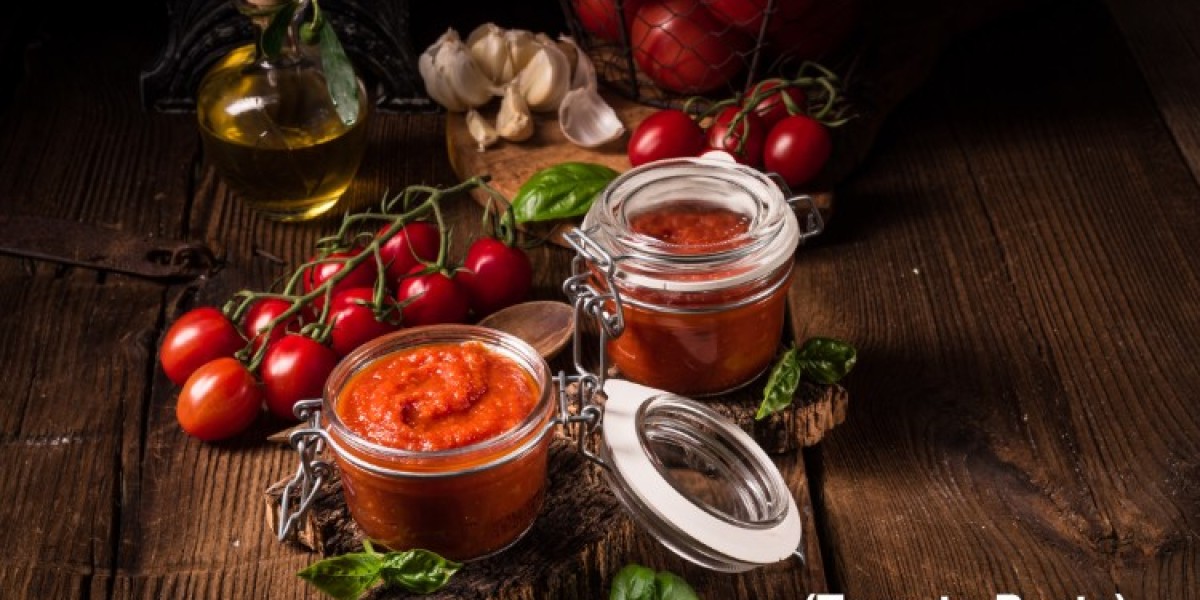
Tomato paste is a concentrated form of tomatoes, made by cooking tomatoes for an extended period to remove the water content, leaving behind a thick, rich, and flavorful paste. The product is widely used in the culinary industry as a base ingredient for sauces, soups, stews, and other processed foods.
Tomato paste is often made by heating tomatoes to break down their cell walls, which releases the water, seeds, and skins. Afterward, the tomatoes are strained to remove seeds and skin, and the remaining pulp is reduced further until it reaches a thick consistency. The paste is then packed and preserved through sterilization or pasteurization.
Tomato paste is highly valued for its rich flavor, long shelf-life, and versatility in various dishes. The demand for tomato paste continues to grow in both developed and developing markets, making it a lucrative product for food manufacturers.
Market Drivers for Tomato Paste Production
The global tomato paste market has been expanding steadily over the past decade, driven by several factors:
Increasing Demand for Processed Foods:
As lifestyles become busier, consumers are turning to convenience foods, such as pre-made sauces and ready-to-eat meals. Tomato paste is a key ingredient in many of these products, driving demand for industrial tomato paste production.Growing Popularity of Mediterranean and Italian Cuisines:
The rise in the popularity of Mediterranean and Italian cuisines, both of which rely heavily on tomato-based sauces, has significantly increased the demand for tomato paste. This has opened up new market opportunities for businesses involved in tomato paste production.Health Awareness and Preference for Natural Ingredients:
Consumers are becoming more health-conscious and are increasingly seeking products made from natural, whole ingredients. Tomato paste, known for its concentrated nutrients like lycopene, appeals to these consumers and drives demand for high-quality tomato-based products.Expanding Global Population and Urbanization:
As the global population continues to grow and urbanization accelerates, demand for processed foods, including those that rely on tomato paste, is expected to rise. This will continue to be a major driver for the tomato paste industry in the coming years.
Raw Materials Requirements for Tomato Paste Production
The primary raw material required for the production of tomato paste is fresh tomatoes. However, the process also relies on several other materials and resources, including:
Tomatoes:
The quality of the tomatoes is crucial for producing high-quality tomato paste. The tomatoes should be ripe, disease-free, and have a high content of soluble solids. Typically, tomatoes used for paste production should have a higher percentage of pulp and fewer seeds and skins to maximize yield.Water:
Water is used in various stages of the production process, from washing the tomatoes to cooking and reducing the paste. Proper water management and purification are essential to maintaining product quality.Energy:
Energy is required to run the machinery, cook the tomatoes, and evaporate excess water. Efficient energy use can significantly reduce operational costs.Packaging Materials:
Depending on the final product's packaging, businesses will require cans, glass jars, or pouches. These materials must be food-grade and capable of preserving the product for extended periods.Preservatives and Stabilizers:
Although many tomato paste products are preservative-free, some manufacturers may use stabilizers or preservatives to extend the product’s shelf life and maintain consistency. These additives must comply with food safety regulations.
Costs and Key Process Information
The costs associated with tomato paste production can vary depending on several factors, including the scale of production, raw material prices, energy costs, and labor expenses. Key cost factors include:
Raw Material Costs:
The price of tomatoes can fluctuate based on seasonality, weather conditions, and supply chain disruptions. Securing long-term contracts with suppliers can help stabilize costs.Energy Costs:
Energy-intensive processes like evaporation, sterilization, and packaging contribute significantly to overall production costs. Optimizing energy use, such as adopting energy-efficient equipment or utilizing renewable energy sources, can help reduce expenses.Labor Costs:
The cost of labor depends on the region and scale of production. Larger facilities may invest in automation to reduce labor costs and increase efficiency.Packaging Costs:
The type and quality of packaging materials used will affect overall production costs. Bulk packaging options may be more cost-effective for industrial applications, while retail packaging options (e.g., glass jars or individual pouches) may be more expensive but offer better margins.Maintenance and Overhead Costs:
Regular maintenance of machinery and equipment is necessary to ensure uninterrupted production. These costs, along with overhead expenses like facility rent and utilities, must be factored into the overall cost analysis.
Looking for an Exhaustive and Personalized Report to Substantiate Your Business?
If you're looking for a more detailed and personalized report that dives deeper into the tomato paste production process with cost analysis, our team of industry experts is ready to help. We can provide tailored insights that align with your specific business needs, from procurement strategies to cost optimization techniques.
By investing in a comprehensive and customized report, you can gain access to data-driven insights that will enhance your operational efficiency, improve profitability, and position your business for growth in the competitive tomato paste market. Reach out to us today for a personalized consultation and take the next step toward optimizing your tomato paste production process.
About Us:
Procurement Resource is an invaluable partner for businesses seeking comprehensive market research and strategic insights across a spectrum of industries. With a repository of over 500 chemicals, commodities, and utilities, updated regularly, they offer a cost-effective solution for diverse procurement needs. Their team of seasoned analysts conducts thorough research, delivering clients with up-to-date market reports, cost models, price analysis, and category insights.
By tracking prices and production costs across various goods and commodities, Procurement Resource ensures clients receive the latest and most reliable data. Collaborating with procurement teams across industries, they provide real-time facts and pioneering practices to streamline procurement processes and enable informed decision-making. Procurement Resource empowers clients to navigate complex supply chains, understand industry trends, and develop strategies for sustainable growth.
Contact Us:
Company Name: Procurement Resource
Contact Person: Amanda Williams
Email: sales@procurementresource.com
Toll-Free Number: USA Canada – Phone no: +1 307 363 1045 | UK – Phone no: +44 7537 132103 | Asia-Pacific (APAC) – Phone no: +91 1203185500
Address: 30 North Gould Street, Sheridan, WY 82801, USA