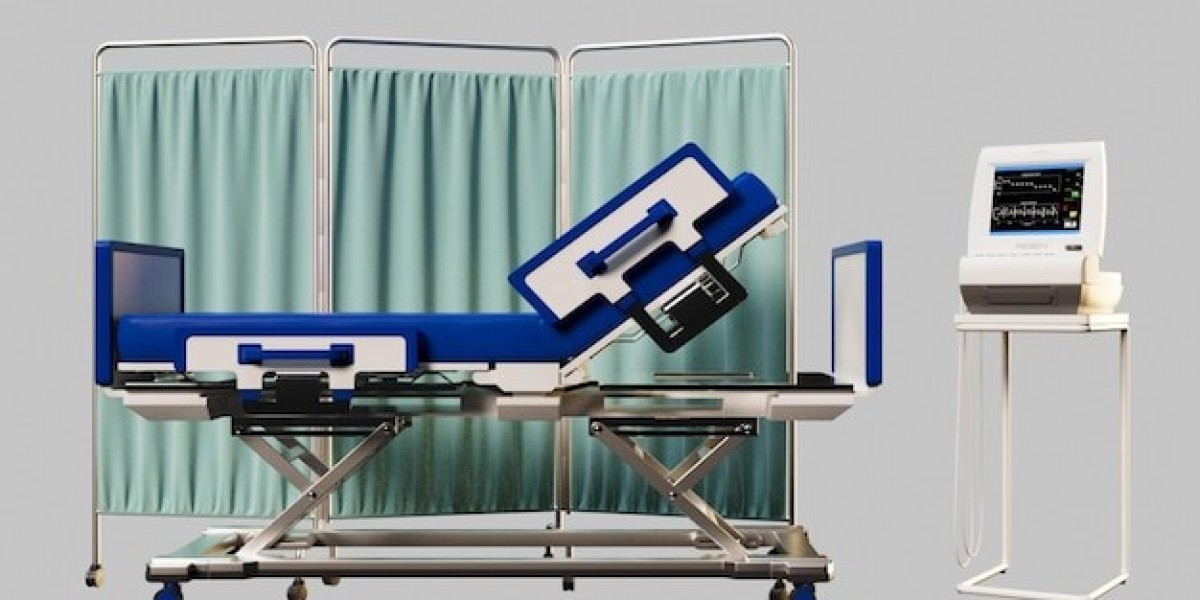

In the dynamic world of healthcare, where patient comfort and efficient care delivery are paramount, the role of medical furniture cannot be overstated. From hospital beds to examination tables, medical furniture plays a crucial role in facilitating diagnosis, treatment, and recovery processes. In this guide, we delve into the diverse array of medical furniture, exploring their functionalities, benefits, and considerations for selection.
Hospital Beds: Hospital beds are the cornerstone of patient care infrastructure in medical facilities. Designed to provide optimal comfort and support, modern hospital beds offer a range of features such as adjustable height, backrest, and leg elevation. These adjustable features not only enhance patient comfort but also assist healthcare professionals in performing various medical procedures with ease.
Examination Tables: Examination tables are essential furniture items in medical examination rooms and clinics. They provide a stable and comfortable surface for patients during examinations and procedures. Modern examination tables come equipped with features such as adjustable height, stirrups for gynecological examinations, and storage drawers for medical supplies, ensuring convenience for both patients and healthcare providers.
Treatment Chairs: Treatment chairs are versatile furniture pieces commonly found in outpatient clinics, infusion centers, and dialysis units. These chairs are designed to provide comfort to patients undergoing various treatments, such as chemotherapy, dialysis, and infusion therapy. Features like reclining backrests, adjustable armrests, and ergonomic design contribute to patient comfort during prolonged treatment sessions.
Medical Carts and Trolleys: Medical carts and trolleys play a crucial role in the efficient organization and transportation of medical supplies, equipment, and medication within healthcare facilities. These mobile storage solutions come in various configurations, including crash carts for emergency response, medication carts for dispensing drugs, and instrument trolleys for surgical procedures. They enhance workflow efficiency and ensure timely access to essential resources, contributing to better patient outcomes.
Patient Lifts and Transfer Aids: Patient lifts and transfer aids are indispensable tools for safely moving and transferring patients with mobility limitations. These devices help prevent injuries to both patients and healthcare providers during transfers between beds, chairs, and other surfaces. Manual and powered patient lifts, transfer boards, and slide sheets are examples of assistive devices that promote safe and dignified patient handling.
Waiting Room Furniture: Waiting rooms are the first point of contact for patients visiting medical facilities, making the choice of waiting room furniture crucial for creating a positive impression. Comfortable seating options such as chairs, sofas, and benches, along with amenities like reading materials and refreshment stations, contribute to a welcoming and relaxing environment for patients and their companions.
Specialized Furniture for Specific Medical Specialties: Certain medical specialties require specialized furniture to meet the unique needs of patients and healthcare providers. For example, bariatric furniture is designed to accommodate heavier patients safely, while paediatric furniture features child-friendly designs and dimensions to ensure comfort and safety for young patients. Additionally, dental chairs, operating tables, and imaging equipment tables are tailored to the specific requirements of dental, surgical, and diagnostic procedures, respectively.
Considerations for Selecting Medical Furniture: When selecting medical furniture for healthcare facilities, several factors must be considered to ensure optimal functionality, durability, and cost-effectiveness:
- Patient Comfort: Prioritize furniture designs that prioritize patient comfort and safety to enhance the overall care experience.
- Durability and Maintenance: Choose furniture constructed from durable materials that can withstand the rigors of daily use and are easy to clean and maintain.
- Functionality and Flexibility: Opt for furniture with adjustable features and modular configurations that can adapt to diverse patient needs and clinical workflows.
- Infection Control: Select furniture designs that facilitate effective infection control practices, such as smooth surfaces that are easy to disinfect and antimicrobial materials.
- Compliance with Standards: Ensure that selected furniture meets relevant industry standards and regulations for safety, ergonomics, and quality assurance.
Conclusion: In conclusion, medical furniture plays a vital role in enhancing patient care, comfort, and safety within healthcare facilities. From hospital beds and examination tables to specialized equipment for specific medical specialties, the diverse range of medical furniture options cater to various clinical needs and patient populations. By considering factors such as patient comfort, durability, functionality, and compliance with standards, healthcare providers can make informed decisions when selecting medical furniture to optimize care delivery and improve patient outcomes.