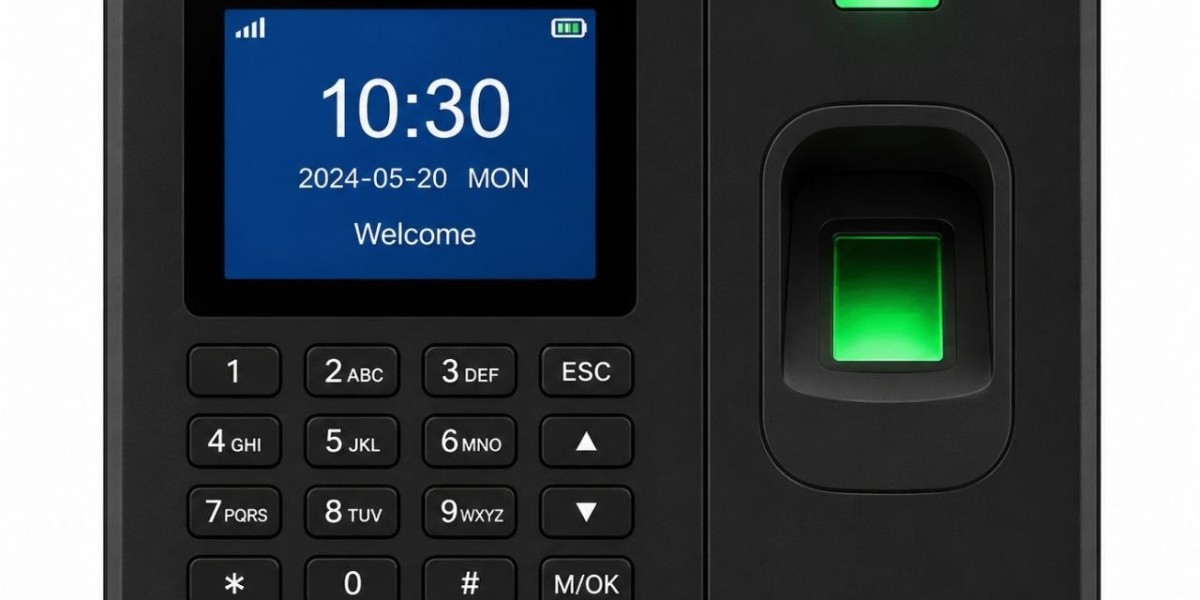
The Indian smart card market is experiencing significant growth, driven by increasing digitalization and government initiatives like Aadhaar and Digital India. Smart cards are used in various sectors, including banking, telecommunications, healthcare, and transportation, for secure identification and transactions. The market is competitive, with key players focusing on innovation and partnerships to expand their market share. Rising demand for contactless payment solutions and government mandates for smart cards in various applications are expected to drive further growth in the market.
Indian Smart Card Market Size and Growth
The Indian smart card market is poised for steady growth, with a projected CAGR of 7.4% during the forecast period of 2024-2032. Initially concentrated in the telecom sector, smart card usage in India is diversifying across various industries. This expansion includes applications in credit/debit cards, public distribution, healthcare, financial inclusion, identity management, transportation, and more.
The shift in smart card utilization reflects the broader trend of digitalization and the Indian government's initiatives, such as Aadhaar and Digital India. These factors are driving the demand for secure and efficient identification and transaction solutions. As the market continues to evolve, key players are expected to focus on innovation and collaboration to capitalize on the growing opportunities in India's smart card sector.
Indian Smart Card Market Trends
Several key trends are shaping the Indian smart card market:
Request Sample: https://www.expertmarketresearch.com/reports/indian-smart-card-market/requestsample
1. Diversification of Applications: Smart cards are no longer limited to the telecom sector; they are increasingly used in credit/debit cards, public distribution, healthcare, financial inclusion, identity management, transportation, and other sectors.
2. Contactless Technology: The adoption of contactless smart cards is increasing, driven by the convenience and security they offer. This trend is particularly pronounced in payment and transportation applications.
3. Government Initiatives: Government-led programs such as Aadhaar and Digital India are driving the adoption of smart cards for identity management and various public services, fueling market growth.
4. Focus on Security: With the increasing digitization of services, there is a growing emphasis on the security features of smart cards to protect against fraud and unauthorized access.
5. Partnerships and Collaborations: Key players in the smart card market are forming partnerships and collaborations to enhance their product offerings and expand their market presence.
6. Technological Advancements: Advancements in smart card technology, such as biometric authentication and integration with mobile devices, are opening up new opportunities for market growth.
7. Growing Awareness and Acceptance: As the benefits of smart cards become more widely recognized, there is a growing acceptance and adoption of smart card technology among businesses and consumers alike.
Market Opportunities and Challenges
Opportunities:
1. Rapid Digitization: India's ongoing digital transformation presents vast opportunities for smart card adoption across various sectors, including finance, healthcare, transportation, and government services.
2. Government Initiatives: Continued government initiatives such as Aadhaar, Digital India, and smart city projects create a conducive environment for smart card deployment, especially in areas like identity management and public services.
3. Financial Inclusion: With a large unbanked population, there is a significant opportunity to use smart cards for financial inclusion, providing banking and payment services to underserved communities.
4. Technological Advancements: Advances in smart card technology, such as biometric authentication and contactless payment, offer new possibilities for enhancing security and convenience, driving market growth.
5. Increasing Security Concerns: As digital transactions increase, there is a growing need for secure identification and payment solutions, which smart cards can provide.
Challenges:
1. Infrastructure Development: The widespread adoption of smart cards requires a robust infrastructure, including card readers and secure networks, which may be lacking in some areas.
2. Cost Sensitivity: Cost-sensitive markets may be hesitant to adopt smart cards, especially for applications with low margins, such as public distribution systems.
3. Security Concerns: While smart cards offer enhanced security features, they are not immune to cyber threats, requiring continuous investment in security measures.
4. Interoperability Issues: Ensuring interoperability among different smart card systems and platforms can be challenging, especially in a diverse market like India.
5. Regulatory Hurdles: Regulatory frameworks and standards for smart card deployment may vary across states, posing challenges for seamless implementation.
Market Dynamics
The Indian smart card market is dynamic, driven by various factors that influence its growth and development:
1. Government Policies and Initiatives: Government initiatives such as Aadhaar, Digital India, and smart city projects play a significant role in shaping the smart card market. These initiatives create demand for smart cards in areas like identity management, public distribution, and e-governance.
2. Technological Advancements: Advances in smart card technology, such as biometric authentication, contactless payment, and integration with mobile devices, drive market growth by enhancing security and convenience.
3. Consumer Behavior and Demand: Changing consumer preferences and increasing awareness of smart card benefits, such as security and convenience, influence market dynamics and drive adoption across various sectors.
4. Competition and Market Players: The smart card market in India is competitive, with several domestic and international players offering a wide range of products and solutions. This competition drives innovation and influences market dynamics.
5. Economic Factors: Economic factors such as GDP growth, disposable income, and infrastructure development impact the adoption of smart cards in India, especially in sectors like banking, transportation, and retail.
6. Regulatory Environment: Regulatory policies and standards related to smart card deployment and usage influence market dynamics by setting guidelines and requirements for implementation.
7. Partnerships and Collaborations: Partnerships and collaborations among smart card manufacturers, technology providers, and service providers drive market growth by expanding product offerings and enhancing market reach.
Media Contact
Company Name: Claight Corporation
Contact Person: John Walker, Corporate Sales Specialist – U.S.A.
Email: sales@expertmarketresearch.com
Toll Free Number: +1-415-325-5166 | +44-702-402-5790
Address: 30 North Gould Street, Sheridan, WY 82801, USA
Website: https://www.expertmarketresearch.com