
Rapid Response and Critical Care
Air ambulances are equipped to provide rapid response and critical care to patients in need. They are staffed by highly trained medical professionals, including paramedics, nurses, and doctors, who can provide life-saving care en route to the hospital.
Long-Distance and Remote Transportation
One of the key advantages of air ambulance services is their ability to transport patients over long distances or in remote areas. This is particularly important for patients who require specialized care that may not be available locally.
Specialized Medical Equipment and Expertise
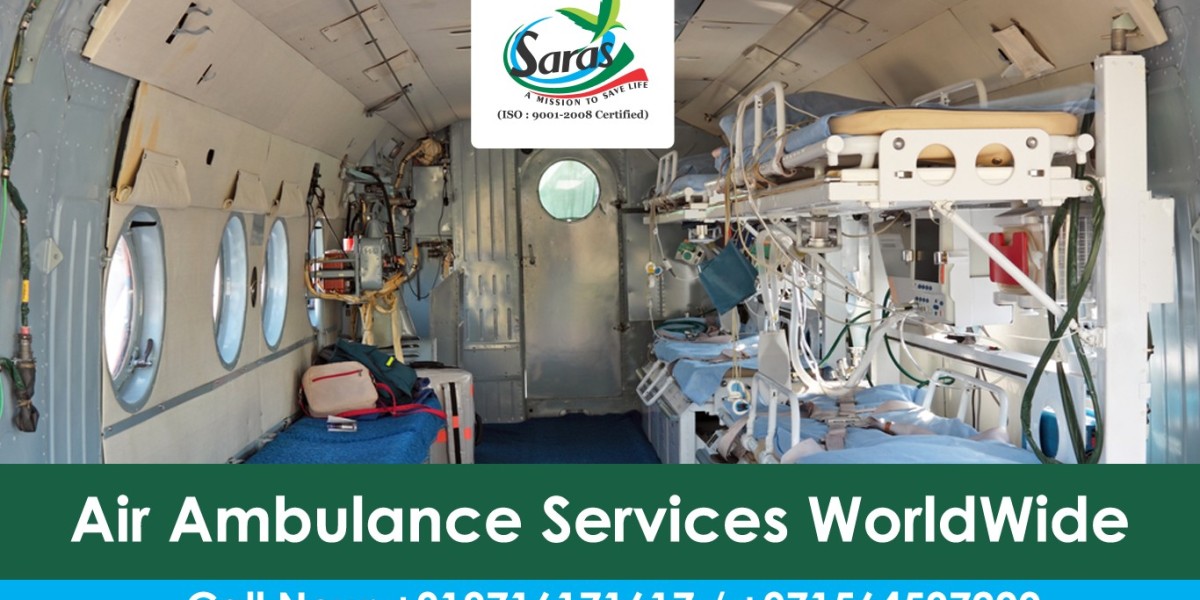
Air ambulances are equipped with specialized medical equipment, such as ventilators, defibrillators, and monitoring devices, to provide advanced medical care during transportation. Medical personnel onboard are trained in critical care and emergency medicine, ensuring that patients receive the highest level of care possible.
Interfacility Transfers
Air ambulances are often used for interfacility transfers, where patients need to be transported between medical facilities for specialized care. These transfers allow patients to receive the appropriate level of care for their condition.
Disaster Response and Mass Casualty Incidents
During disasters or mass casualty incidents, air ambulances play a crucial role in transporting multiple patients to hospitals or trauma centers. These services help alleviate strain on local healthcare systems and ensure that patients receive timely care.
Cost and Insurance Coverage
While air ambulance services are vital for providing life-saving care, they can be expensive. It's important for patients to understand their insurance coverage and options for financial assistance when utilizing air ambulance services.