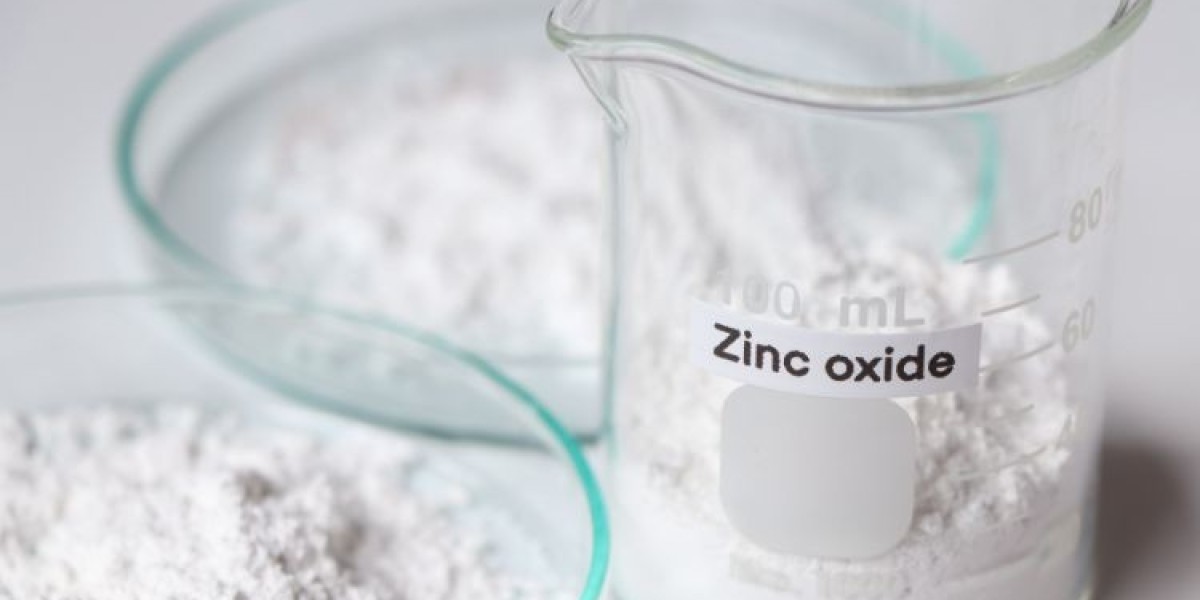

Zinc is a metal that has many applications in different sectors, such as agriculture, rubber, chemical, galvanizing, and paints and coatings. Zinc can be converted into various chemical forms, such as zinc oxide, zinc sulfate, zinc chloride, zinc nitrate, and zinc carbonate, which are collectively known as zinc chemicals. These chemicals have distinct properties and functions that make them suitable for various industrial processes and products. According to a report by Expert Market Research, the global zinc chemicals market size attained approximately USD 10.48 billion in 2023. The market is further expected to grow at a compound annual growth rate (CAGR) of 5.1% in the forecast period of 2024-2032, to attain about USD 16.40 billion by 2032. In this blog post, we will explore the importance of zinc chemicals in various industries and their environmental and health considerations.
Zinc Chemicals in the Rubber Industry
One of the major uses of zinc chemicals is in the rubber industry, where they act as accelerators in the vulcanization process. Vulcanization is a chemical reaction that converts natural or synthetic rubber into a more durable and elastic material that can resist heat, abrasion, and aging. Zinc chemicals, especially zinc oxide and zinc sulfate, are added to the rubber mixture to speed up the vulcanization process and reduce the amount of sulfur needed. Zinc chemicals also help to improve the strength and flexibility of rubber by forming cross-links between the rubber molecules. Zinc chemicals are widely used in the production of tires and other rubber products, such as hoses, belts, gaskets, seals, and rubber mats. Zinc chemicals account for about 50% of the total zinc consumption in the rubber industry.
Zinc Chemicals in the Agriculture Industry
Another important use of zinc chemicals is in the agriculture industry, where they serve as zinc fertilizers to improve crop yield and quality. Zinc is an essential micronutrient for plants, as it plays a vital role in various physiological and biochemical processes, such as photosynthesis, enzyme activity, protein synthesis, and hormone regulation. Zinc deficiency in plants can cause stunted growth, chlorosis, reduced flowering and fruiting, and increased susceptibility to diseases and pests. Zinc chemicals, mainly zinc sulfate and zinc oxide, are applied to the soil or the foliage to provide zinc to the plants and correct zinc deficiency. Zinc chemicals can also enhance the uptake of other nutrients, such as nitrogen, phosphorus, and potassium, by the plants. Zinc chemicals are especially beneficial for crops grown in alkaline, calcareous, sandy, or organic soils, where zinc availability is low. Zinc chemicals are used for a variety of crops, such as cereals, oilseeds, pulses, fruits, vegetables, and flowers. Zinc chemicals account for about 15% of the total zinc consumption in the agriculture industry.
Zinc Chemicals in the Chemical Industry
Zinc chemicals are also used in the chemical industry, where they are involved in the production of other chemicals, such as zinc oxide and zinc sulfate. Zinc oxide is a white powder that has many applications, such as in the manufacture of pigments, catalysts, ceramics, cosmetics, pharmaceuticals, and animal feed. Zinc oxide is produced by either the direct or the indirect method, both of which require zinc chemicals as raw materials. The direct method involves the oxidation of zinc metal or zinc-containing materials, such as zinc ores, zinc dust, or zinc dross, to produce zinc oxide. The indirect method involves the dissolution of zinc metal or zinc-containing materials in an acid, such as sulfuric acid or hydrochloric acid, to produce zinc sulfate, which is then calcined to produce zinc oxide. Zinc sulfate is another important zinc chemical that has many applications, such as in the manufacture of rayon, leather, electroplating, water treatment, and fungicides. Zinc sulfate is produced by either the heptahydrate or the monohydrate process, both of which require zinc oxide as a raw material. The heptahydrate process involves the reaction of zinc oxide with sulfuric acid and water to produce zinc sulfate heptahydrate, which is then crystallized and dried. The monohydrate process involves the reaction of zinc oxide with sulfuric acid and a controlled amount of water to produce zinc sulfate monohydrate, which is then filtered and dried. Zinc chemicals are also used in the production of other zinc compounds, such as zinc chloride, zinc nitrate, and zinc carbonate, which have various industrial and commercial applications. Zinc chemicals account for about 10% of the total zinc consumption in the chemical industry.
Zinc Chemicals in the Galvanizing Industry
Zinc chemicals are also essential for the galvanizing industry, where they play a role in the galvanizing process. Galvanizing is a process of applying a protective layer of zinc on steel or iron to prevent corrosion. Zinc chemicals, mainly zinc chloride and zinc ammonium chloride, are used as fluxes in the galvanizing process. Fluxes are substances that help to remove impurities and oxides from the metal surface and enhance the adhesion of the zinc coating. Zinc chemicals are used in both the hot-dip and the electro-galvanizing processes. In the hot-dip process, the metal is immersed in a molten zinc bath, which contains zinc chemicals as fluxes. In the electro-galvanizing process, the metal is coated with zinc by passing an electric current through a zinc solution, which contains zinc chemicals as electrolytes. Zinc chemicals are also used in the post-treatment of the galvanized metal, such as in the passivation, chromating, or phosphating processes, to improve the corrosion resistance and appearance of the zinc coating. Zinc chemicals are widely used in the galvanizing of automotive parts, construction materials, pipes, wires, and other metal products. Zinc chemicals account for about 10% of the total zinc consumption in the galvanizing industry.
Zinc Chemicals in the Paints and Coatings Industry
Zinc chemicals are also important for the paints and coatings industry, where they act as corrosion inhibitors in paints and coatings. Corrosion inhibitors are substances that prevent or reduce the corrosion of metals by forming a protective film on the metal surface. Zinc chemicals, especially zinc phosphate and zinc chromate, are used as corrosion inhibitors in paints and coatings. Zinc chemicals help to improve the durability and weather resistance of paints and coatings by preventing the oxidation and rusting of the metal substrate. Zinc chemicals are also used as pigments in paints and coatings, as they impart color and opacity to the coating. Zinc chemicals are used in various types of paints and coatings, such as architectural, automotive, industrial, marine, and protective coatings. Zinc chemicals account for about 5% of the total zinc consumption in the paints and coatings industry.
Environmental and Health Considerations
Zinc chemicals, like any other chemicals, have some environmental and health implications that need to be considered. Zinc chemicals can have both positive and negative impacts on the environment, depending on the source, the amount, and the form of zinc. Zinc is a naturally occurring element that is essential for the life and growth of plants, animals, and humans. Zinc can also be beneficial for the environment, as it can reduce the emission of greenhouse gases, improve the soil quality, and prevent the leaching of toxic metals. However, zinc can also be harmful for the environment, if it is present in excess or in a soluble form. Zinc can cause toxicity and accumulation in aquatic organisms, soil organisms, and plants, and can also contaminate the water and the air. Zinc chemicals can also contribute to the generation of hazardous wastes, such as zinc ash, zinc dross, and zinc sludge, which need to be properly disposed of or recycled. Therefore, zinc chemicals need to be used in a responsible and sustainable manner, by following the best practices and the mitigation measures, such as using low-zinc or zinc-free alternatives, reducing the zinc consumption and emission, recycling and reusing the zinc materials, and complying with the environmental regulations and standards.
Zinc chemicals can also have both positive and negative effects on human health, depending on the exposure level, the duration, and the route of exposure. Zinc is an essential nutrient for human health, as it supports the immune system, the wound healing, the growth and development, and the cognitive function. Zinc can also be beneficial for human health, as it can prevent or treat various diseases and disorders, such as diarrhea, common cold, acne, and zinc deficiency. However, zinc can also be harmful for human health, if it is ingested, inhaled, or contacted in excess or in a soluble form. Zinc can cause adverse effects, such as nausea, vomiting, diarrhea, abdominal pain, headache, dizziness, and respiratory problems. Zinc can also cause chronic effects, such as anemia, kidney damage, liver damage, and zinc toxicity. Therefore, zinc chemicals need to be handled with care and caution, by following the safety precautions and the protective measures, such as wearing the appropriate personal protective equipment, avoiding the direct contact or inhalation of zinc chemicals, and complying with the occupational health and safety regulations and guidelines.
Future Outlook
Zinc chemicals are a versatile and valuable industrial material that have many applications and benefits in various sectors. Zinc chemicals are expected to witness a steady growth in the future, driven by the increasing demand from the rubber, agriculture, chemical, galvanizing, and paints and coatings industries. Zinc chemicals are also expected to find new and innovative applications in emerging fields, such as nanotechnology, biotechnology, and renewable energy. Zinc chemicals are also expected to face some challenges and opportunities in the future, such as the fluctuation of the zinc prices, the availability of the zinc resources, the development of the low-zinc or zinc-free alternatives, the advancement of the zinc recycling and recovery technologies, and the enhancement of the environmental and health performance of zinc chemicals. Zinc chemicals are a dynamic and diverse industrial material that have a lot of potential and prospects in the future.