
Secure your API with these 16 Practices
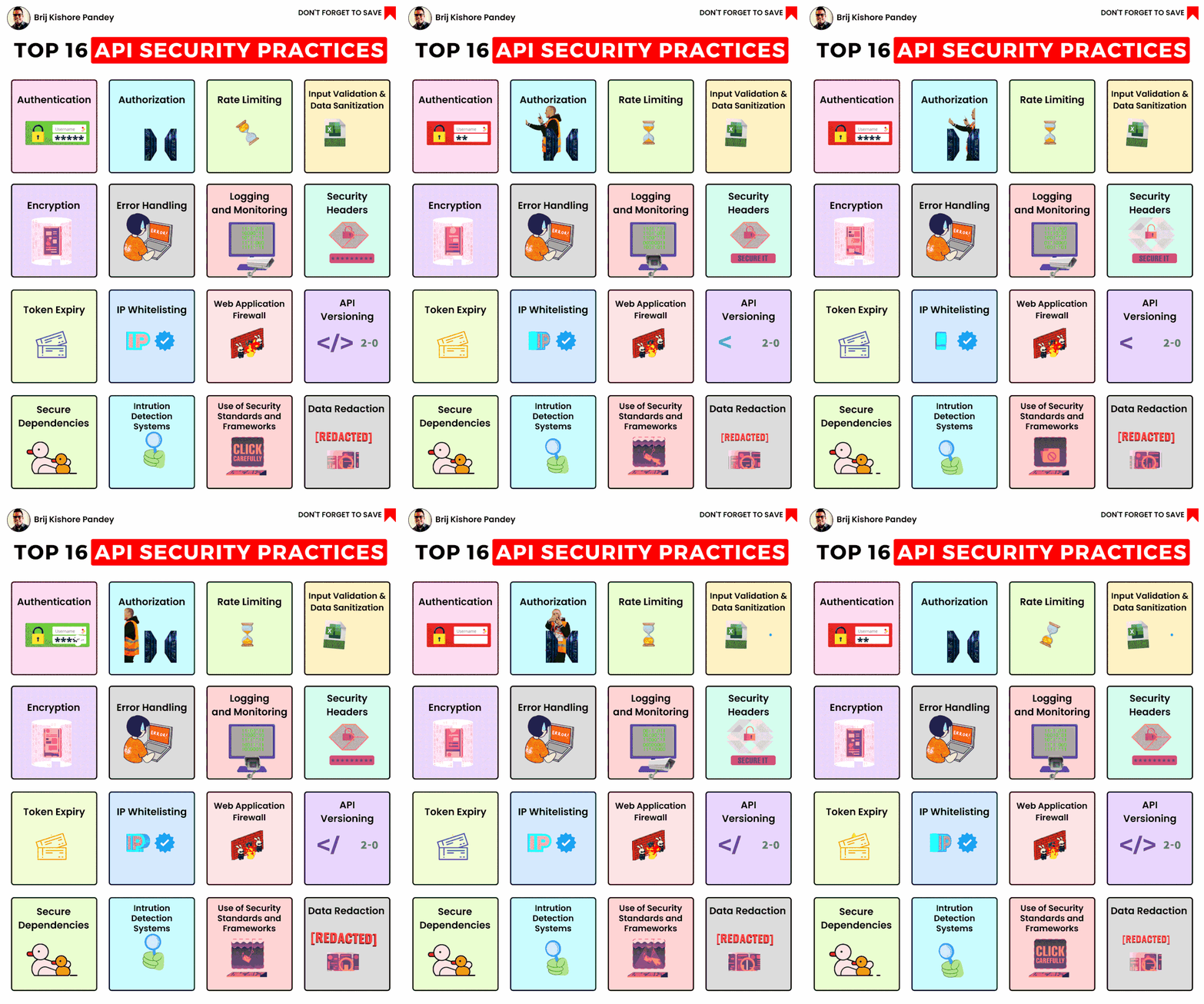
1. Authentication 🕵️♀️ - Verifies the identity of users accessing APIs.
2. Authorization 🚦 - Determines permissions of authenticated users.
3. Data Redaction 🖍️ - Obscures sensitive data for protection.
4. Encryption 🔒 - Encodes data so only authorized parties can decode it.
5. Error Handling ❌ - Manages responses when things go wrong, avoiding revealing sensitive info.
6. Input Validation & Data Sanitization 🧹 - Checks input data and removes harmful parts.
7. Intrusion Detection Systems 👀 - Monitor networks for suspicious activities.
8. IP Whitelisting 📝 - Permits API access only from trusted IP addresses.
9. Logging and Monitoring 🖥️ - Keeps detailed logs and regularly monitors APIs.
10. Rate Limiting ⏱️ - Limits user requests to prevent overload.
11. Secure Dependencies 📦 - Ensures third-party code is free from vulnerabilities.
12. Security Headers 📋 - Enhances site security against types of attacks like XSS.
13. Token Expiry ⏳ - Regularly expiring and renewing tokens prevents unauthorized access.
14. Use of Security Standards and Frameworks 📘 - Guides your API security strategy.
15. Web Application Firewall 🔥 - Protects your site from HTTP-specific attacks.
16. API Versioning 🔄 - Maintains different versions of your API for seamless updates.


Caren Chebet
מחק תגובה
האם אתה בטוח שברצונך למחוק את התגובה הזו?