
## Introduction to Atta Flour
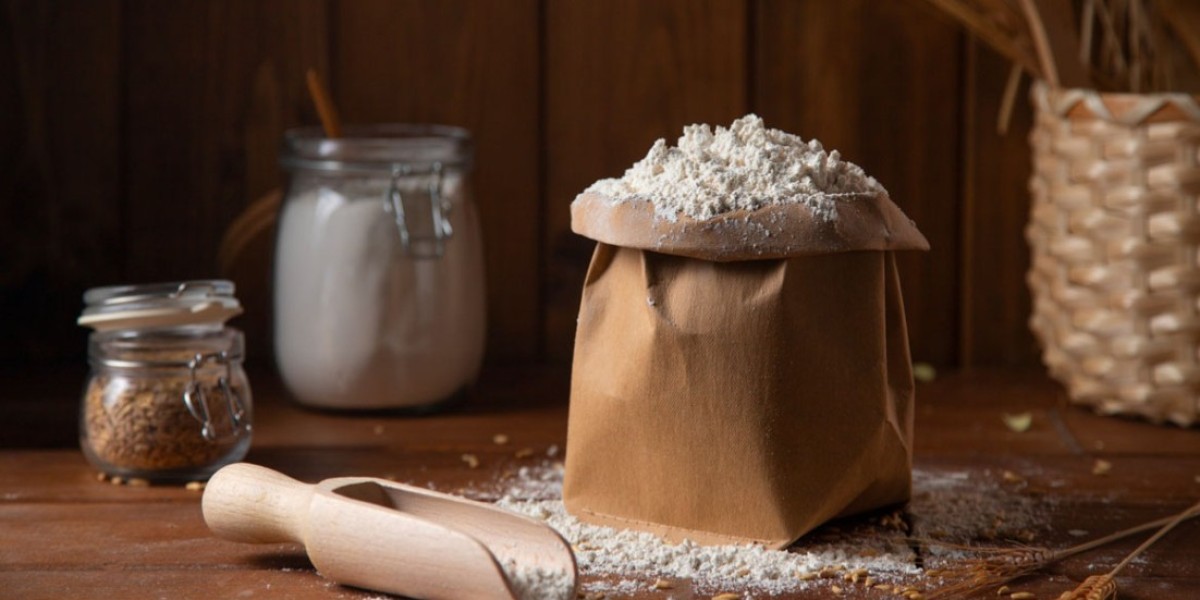
Atta flour, also known simply as "atta," is a staple ingredient in many Indian households. It is a type of whole wheat flour, primarily used to make a variety of flatbreads such as chapati, roti, and paratha. Known for its rich nutritional profile and versatility in cooking, atta has gained popularity not just in India but also in other parts of the world where Indian cuisine is cherished.
In this blog, we will delve into the nutritional facts of atta flour, compare it to other common flours, and explore why it is considered the best atta in India. We will also provide insights on how to choose the best atta for your dietary needs.
## Nutritional Profile of Atta Flour
Atta flour is made from whole wheat grains, which means it retains all parts of the grain – the bran, germ, and endosperm. This comprehensive composition gives atta its unique nutritional advantages.
### Macronutrients in Atta
1. **Carbohydrates**: Atta is rich in carbohydrates, providing a steady source of energy. One cup of atta (about 120 grams) contains approximately 90 grams of carbohydrates.
2. **Proteins**: It is a good source of plant-based protein, offering around 12-15 grams of protein per cup. This makes it an important component for vegetarians and those looking to increase their protein intake.
3. **Fats**: Atta is low in fats, with just about 2 grams per cup, most of which are healthy fats that are essential for the body.
### Micronutrients in Atta
1. **Fiber**: One of the standout features of atta is its high fiber content. With about 12 grams of dietary fiber per cup, it aids in digestion, helps maintain blood sugar levels, and keeps you feeling full longer.
2. **Vitamins and Minerals**: Atta is a good source of essential vitamins and minerals, including:
- **Iron**: Important for hemoglobin formation and oxygen transport.
- **Magnesium**: Crucial for muscle and nerve function.
- **Folate**: Vital for DNA synthesis and repair.
- **B Vitamins**: Aid in energy production and maintaining healthy brain function.
### Health Benefits of Atta
1. **Heart Health**: The high fiber content in atta helps reduce bad cholesterol (LDL) levels, thereby lowering the risk of heart disease.
2. **Digestive Health**: Fiber aids in smooth digestion and prevents constipation.
3. **Blood Sugar Control**: Whole grains like atta have a lower glycemic index compared to refined flours, which helps in maintaining stable blood sugar levels.
4. **Weight Management**: The protein and fiber content in atta contribute to a feeling of satiety, which can help in weight management by reducing overall calorie intake.
## Comparing Atta Flour to Other Common Flours
### Atta vs. Refined Wheat Flour (Maida)
- **Nutritional Content**: Unlike atta, maida (refined wheat flour) is stripped of its bran and germ during processing, which removes most of its fiber, vitamins, and minerals. Maida is primarily composed of carbohydrates and has a higher glycemic index, which can lead to spikes in blood sugar levels.
- **Health Impact**: Consuming maida frequently can contribute to weight gain, diabetes, and other metabolic disorders due to its low nutritional value and high glycemic index.
### Atta vs. All-Purpose Flour
- **Nutritional Content**: All-purpose flour is similar to maida but with a slightly broader application in cooking and baking. It also lacks the nutritional richness of atta, especially in terms of fiber and essential nutrients.
- **Health Impact**: While all-purpose flour is versatile, it does not offer the same health benefits as atta. It can lead to similar health issues as maida when consumed in excess.
### Atta vs. Other Whole Grain Flours
- **Rye Flour**: Rye flour is another whole grain option, rich in fiber and nutrients. It has a lower gluten content compared to wheat, making it denser and less elastic in baking. Rye is beneficial for heart health and digestion, similar to atta.
- **Barley Flour**: Barley flour is high in fiber and essential minerals. It has a nutty flavor and can be used in combination with other flours for baking. Barley also has a low glycemic index and promotes heart health.
- **Oat Flour**: Oat flour is gluten-free and rich in soluble fiber, which helps lower cholesterol levels. It is an excellent option for those with gluten intolerance or celiac disease.
## Choosing the Best Atta in India
India has a rich tradition of producing high-quality atta flour, with several brands competing to offer the best product. When selecting the best atta, consider the following factors:
### Best Atta Brands in India
India offers a wide range of atta brands, each with its own unique qualities. Here are some of the best atta brands in India that you can consider:
#### 1. **Ecotyl Atta**
Ecotyl is one of the most popular atta brands in India. Known for its consistent quality and fine texture, Ecotyl Atta is made from premium whole wheat grains. It is rich in nutrients and provides soft and fluffy rotis.
#### 2. **Two Brothers Atta**
Two Brothers, a brand synonymous with natural and herbal products, offers whole wheat flour that is pure and chemical-free. Two Brothers Atta is stone-ground and retains the natural goodness of whole wheat.
#### 3. **Nutty Yogi Atta**
Nutty Yogi Atta is made from Sharbati wheat, known for its superior quality and taste. It is often considered the best atta in India due to its high nutritional value and soft texture.
#### 4. **Neem Bharat Atta**
Neem Bharat Atta is another trusted brand that ensures quality and nutrition. It is finely ground and perfect for making a variety of Indian breads. Neem Bharat Atta is known for its freshness and natural taste.
#### 5. **Conscious Food Fresh Atta**
Conscious Food Fresh Atta is made using the traditional chakki grinding method, which retains the fiber and nutrients of whole wheat. It is a popular choice for those seeking wholesome and healthy atta.
### Nutritional Information
Check the nutritional label for fiber content, protein levels, and other essential nutrients. The best atta should have high fiber and protein content while being low in fats.
### Milling Process
The milling process can significantly affect the quality of atta. Stone-ground atta is often preferred because it retains more nutrients compared to modern milling methods.
### Organic and Whole Grain Options
Organic atta made from whole grains is the best choice for those looking to avoid pesticides and genetically modified organisms (GMOs). Brands offering organic options often ensure their products are free from harmful chemicals.
## How to Store Atta Flour
Proper storage of atta flour is essential to maintain its freshness and nutritional value. Here are some tips:
1. **Airtight Containers**: Store atta in airtight containers to prevent exposure to air and moisture, which can lead to spoilage.
2. **Cool and Dry Place**: Keep the container in a cool, dry place away from direct sunlight to avoid heat and humidity.
3. **Refrigeration**: In warmer climates, storing atta in the refrigerator can help extend its shelf life and prevent insect infestation.
## Conclusion
Atta flour stands out as a highly nutritious and versatile ingredient, essential in Indian cuisine. Its rich content of fiber, proteins, vitamins, and minerals makes it a healthier option compared to refined flours. When choosing the best atta in India, consider brand reputation, nutritional content, and milling process to ensure you get a product that supports your health and culinary needs.
Incorporating atta into your diet can lead to numerous health benefits, from improved digestion to better heart health. As more people around the world become health-conscious, atta flour's popularity is likely to grow, solidifying its place as a valuable dietary staple.