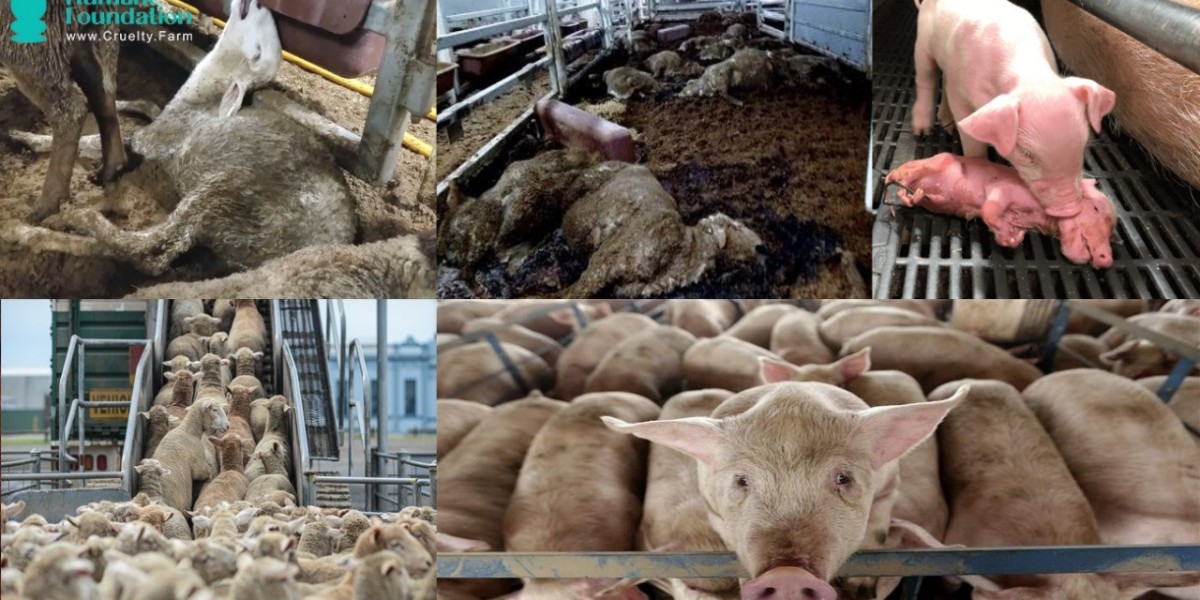

The global trade of live animals is a contentious issue, and at the heart of this debate lies the pervasive issue of live export suffering. This practice involves transporting live animals, often over long distances, to be slaughtered or used for breeding in foreign countries. Despite its economic benefits, the ethical implications of live export suffering are severe, raising serious concerns about animal welfare and the need for more humane alternatives.
Live export suffering begins from the moment animals are loaded onto transport vessels. These journeys can last several days to weeks, during which animals are confined in cramped, often unsanitary conditions. They are subjected to extreme temperatures, inadequate ventilation, and limited access to food and water. This stressful environment leads to high levels of anxiety and physical distress. Many animals suffer from injuries and illnesses, and some do not survive the journey. The mortality rates during transport are alarmingly high, highlighting the dire consequences of live export suffering.
The conditions on these transport ships are deplorable. Overcrowding is a significant issue, with animals having little room to move or lie down comfortably. This close confinement can lead to trampling and crushing, especially during rough seas. The lack of proper sanitation means that animals are often forced to stand or lie in their own waste, leading to infections and severe health problems. The prolonged exposure to such harsh conditions is a direct cause of live export suffering, demonstrating a blatant disregard for animal welfare.
Upon arrival at their destination, the plight of these animals often worsens. The standards of animal welfare in the importing countries can be significantly lower than those in the exporting countries. Many animals face brutal handling and inhumane slaughter practices that would be deemed unacceptable in their countries of origin. The stress and trauma experienced during transport are exacerbated by the rough handling and substandard conditions they encounter upon arrival. This continuation of live export suffering highlights the urgent need for international regulations and oversight to protect these vulnerable animals.
Efforts to mitigate live export suffering have been ongoing, with animal rights organisations campaigning for stricter regulations and a ban on the practice altogether. Some countries have implemented more stringent welfare standards and monitoring systems to ensure better treatment of animals during transport. However, enforcement remains a challenge, and violations are still prevalent. The economic incentives for the live export trade often overshadow the ethical considerations, making it difficult to achieve meaningful change.
Alternative solutions to live export suffering are being explored. One such approach is the promotion of local slaughter and chilled or frozen meat exports, which can significantly reduce the need for transporting live animals over long distances. This method not only addresses welfare concerns but also ensures better quality control and reduces the environmental impact associated with live transport. Additionally, increasing consumer awareness about the realities of live export suffering can drive demand for more humane and sustainable practices.
In conclusion, live export suffering is a critical issue that demands immediate attention and action. The cruel conditions experienced by animals during transport and upon arrival are unacceptable and highlight the need for comprehensive reform. By advocating for stricter regulations, supporting alternative solutions, and raising public awareness, we can work towards ending the inhumane practice of live export and ensuring a more compassionate approach to animal welfare.